Reverse curls are the exercise people skip and then wonder why their forearms look like sticks attached to decent biceps. The overhand grip flips the standard curl on its head — literally — and hammers the muscles that everyone else neglects.
If your forearms are a weak point or your grip gives out before your back does on pulling exercises, reverse curls need to be in your program.
What Reverse Curls Actually Work
When you flip your grip from palms-up to palms-down, the biceps brachii moves into a mechanically disadvantaged position. It can still contract, but it's not the primary mover anymore. Instead, two other muscles take over:
The brachioradialis becomes the main elbow flexor with an overhand grip. It's the thick muscle on the thumb side of your forearm, and it's responsible for that forearm "swell" just below the elbow. Well-developed brachioradialis muscles make your arms look powerful even in a T-shirt.
The wrist extensors on the top of your forearm work isometrically to keep your wrist from collapsing under the load. They get significant stimulation without any wrist-specific exercises, which is a nice bonus.
The biceps brachii still assists, and the brachialis underneath gets solid activation too. So you're not losing bicep work entirely — you're just adding forearm emphasis on top of it.
How to Do Reverse Curls
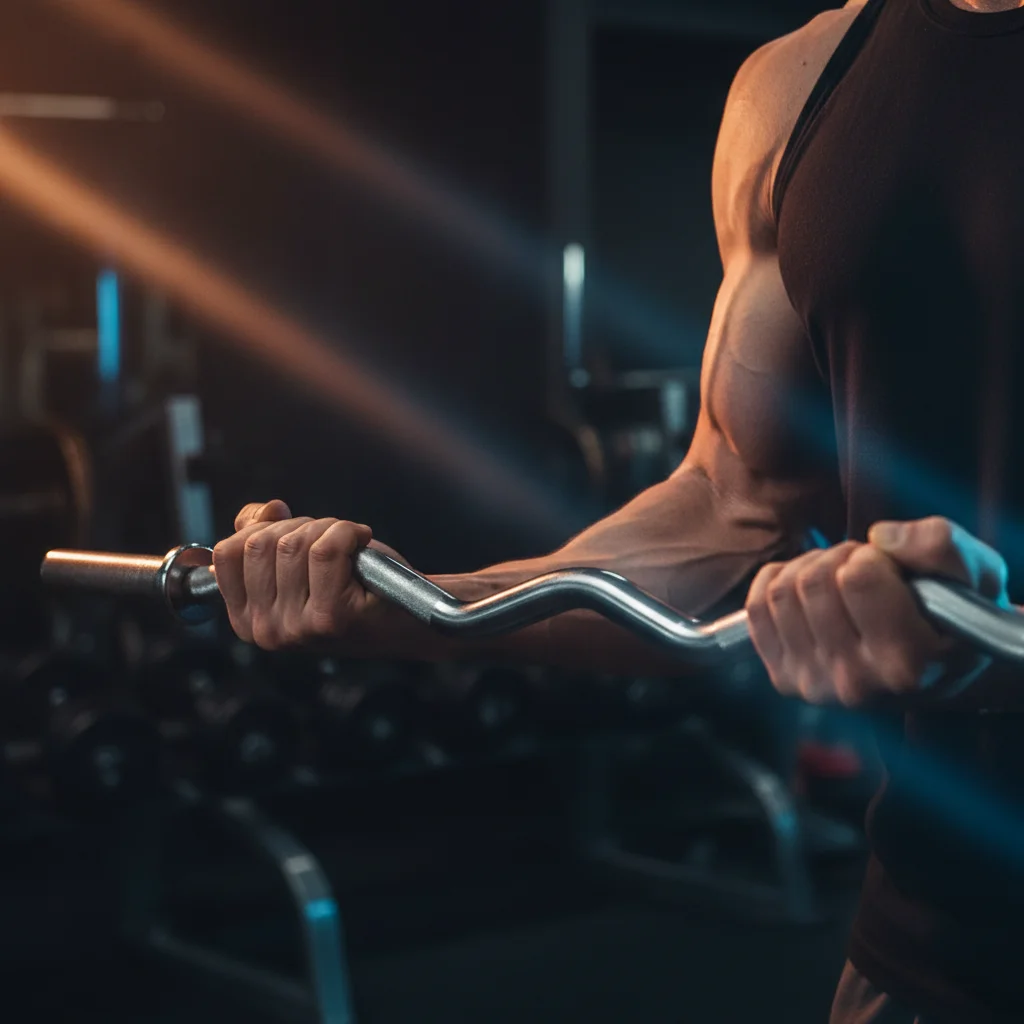
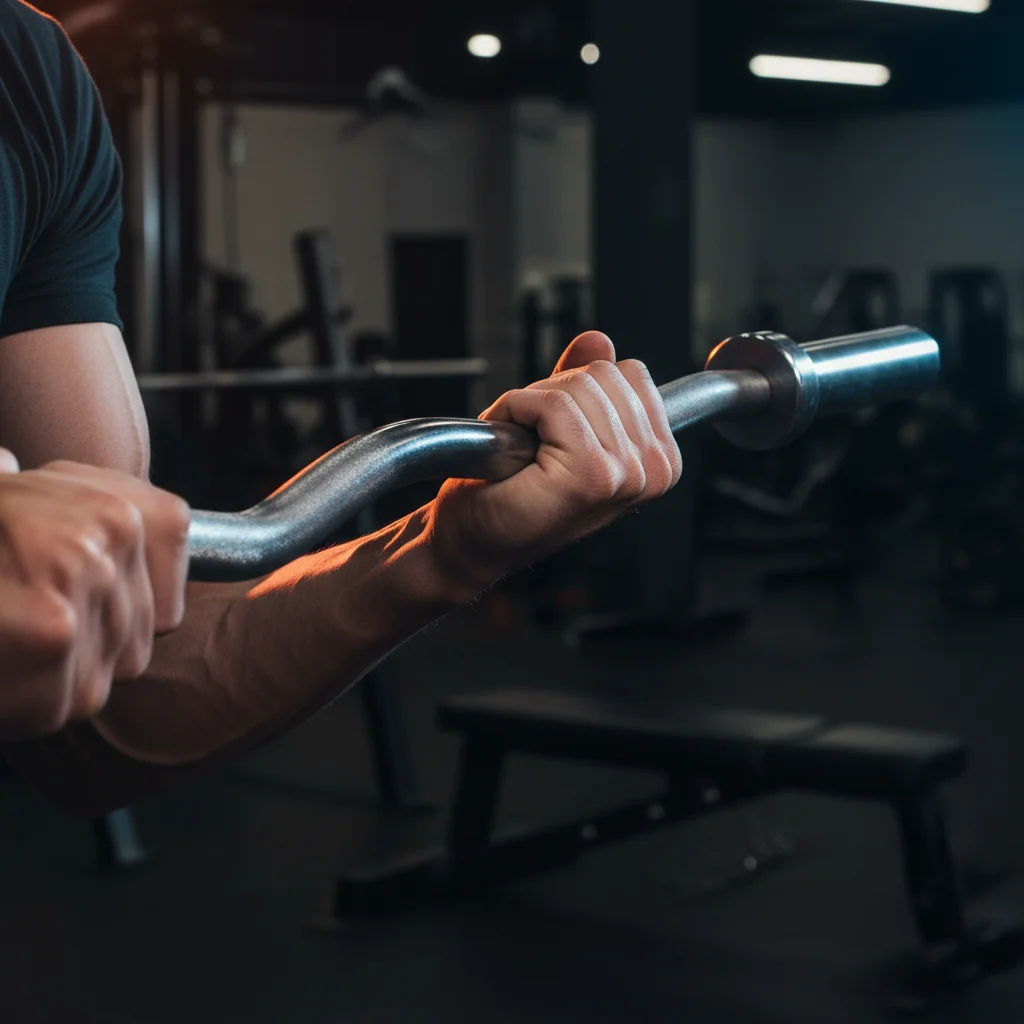
Grab a barbell or EZ curl bar with an overhand grip (palms facing down) at roughly shoulder width. Stand with your feet hip-width apart, the bar hanging at arm's length in front of your thighs.
Curl the bar upward by bending at the elbows. Keep your wrists straight — don't let them flex or extend during the movement. Your upper arms should stay pinned to your sides.
Lift until your forearms are roughly vertical or slightly past, squeeze briefly, then lower under control. The lowering phase should take about 2-3 seconds.
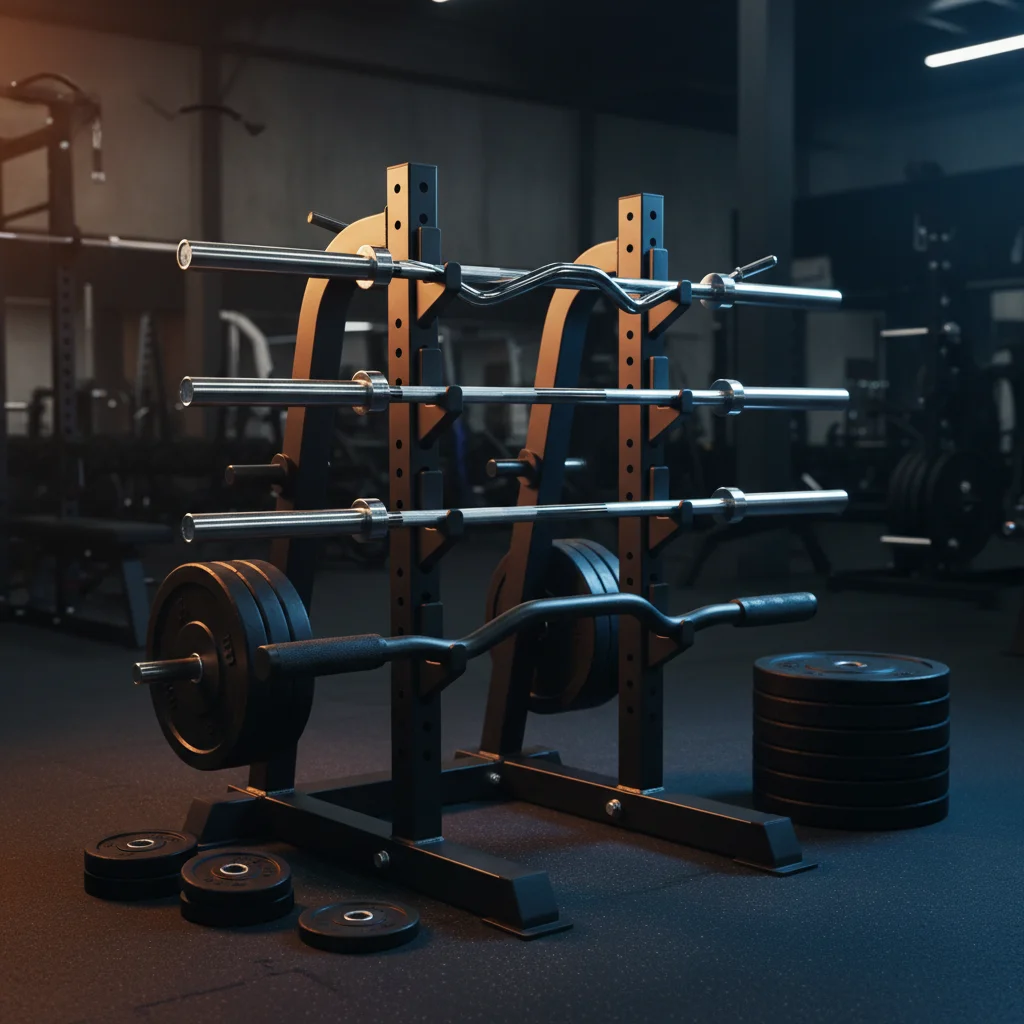
EZ Bar vs Straight Bar: The EZ bar is easier on the wrists because the angled grips reduce the rotational stress on the forearm. If straight bar reverse curls bother your wrists, switch to the EZ bar — you'll get the same muscle activation with less joint strain.
Weight Expectations: Check Your Ego
Your reverse curl will be dramatically weaker than your regular curl — typically 50-60% of the weight. If you standard curl 80 pounds on a barbell, expect to reverse curl 40-50 pounds.
This is completely normal. The pronated grip puts the biceps at a severe mechanical disadvantage, forcing the brachioradialis to handle a load it's not used to. Start light, build up gradually, and don't chase numbers on this exercise.
Variations to Consider
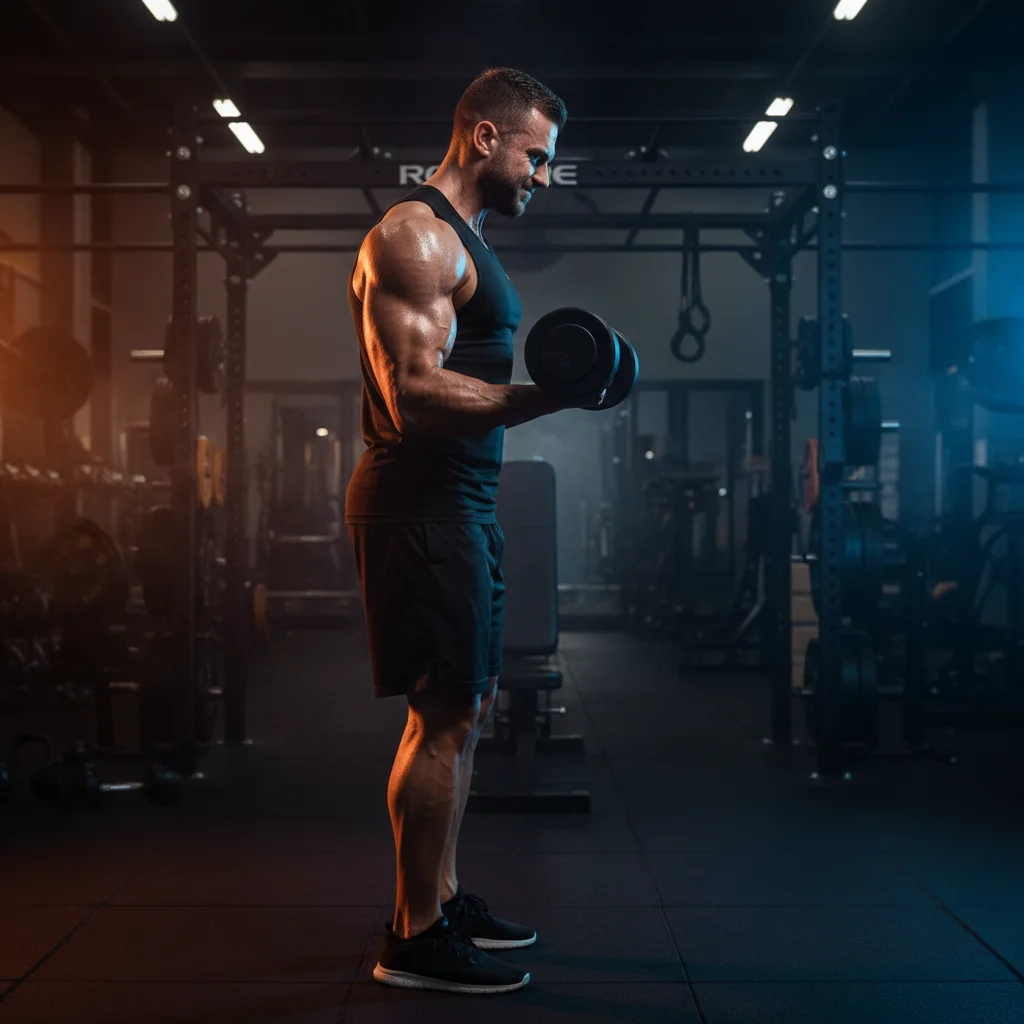
Dumbbell reverse curls allow each arm to work independently, which can expose and correct strength imbalances. They also let you slightly adjust wrist angle throughout the movement for comfort.
Cable reverse curls with a straight bar attachment provide constant tension, including at the top where free weights get easier. Great as a finisher exercise.
Reverse preacher curls combine the overhand grip with the preacher bench position. This eliminates all body English and creates an intense brachioradialis contraction. Use very light weight — this combination is humbling.
Fat grip reverse curls wrap a thick grip around the bar, forcing your hands to work harder to hold on. This doubles down on the forearm and grip stimulus. Fat Gripz or a thick towel wrapped around the bar both work.
Common Form Mistakes
Wrist breakdown. The most common error is letting your wrists collapse backward at the top of the curl. Keep your wrists locked in a straight line with your forearms. If they keep bending, the weight is too heavy.
Excessive elbow flare. Your elbows should stay close to your body. If they're flaring out to the sides, you're using your shoulders to compensate for weak forearms.
Using momentum. Because the weight is light relative to standard curls, people try to compensate by swinging. Resist this. The whole point is strict form with a muscle group that's unused to direct work.
Programming Reverse Curls
Add them at the end of your arm day or back and bicep workout. Two to three sets of 10-15 reps works well. Higher reps are generally better here because the forearm muscles respond well to sustained tension and the lighter weight protects the wrists.
Twice per week is sufficient. Pair them with hammer curls and you'll have comprehensive brachioradialis coverage from two different grip angles.
The Bottom Line
Reverse curls aren't glamorous, but they fill the gap between decent arms and complete arms. The forearm development they provide improves the look of your entire arm and builds functional grip strength that carries over to deadlifts, rows, and pull-ups. Two sets at the end of arm day is all it takes.