The reverse curl is one of the most neglected exercises in the gym. People walk right past it on their way to do more bicep curls. But this simple movement offers benefits that regular curls can't provide.
If you're not doing reverse curls, here's why you should reconsider.
What Is a Reverse Curl?
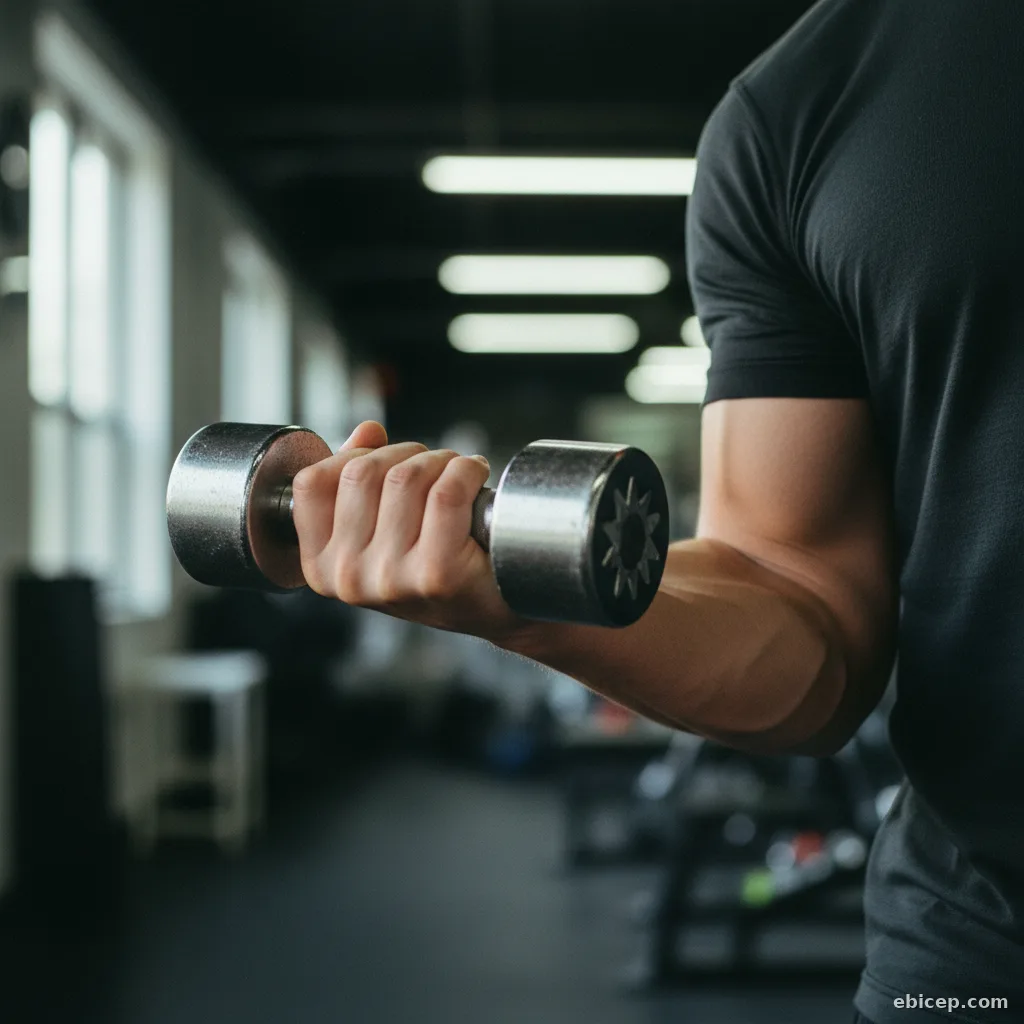
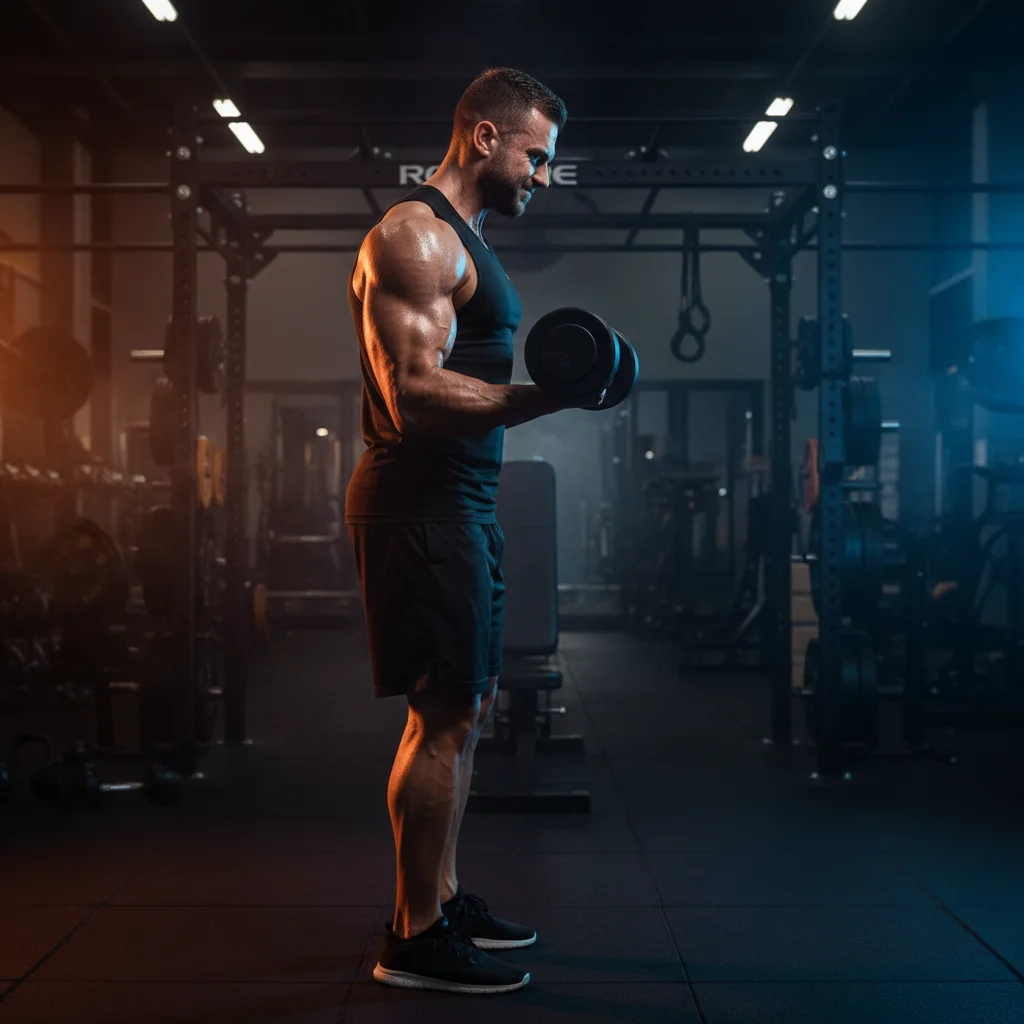
A reverse curl is performed with a pronated grip—palms facing down instead of up. You curl a barbell, EZ bar, or dumbbells with this overhand grip.
The movement looks similar to a regular curl but works different muscles in a different way.
Pro Tip
Use an EZ bar for reverse curls. The angled grip is easier on your wrists than a straight bar. Your forearms will give out before your wrists do.
Benefit #1: Brachioradialis Development
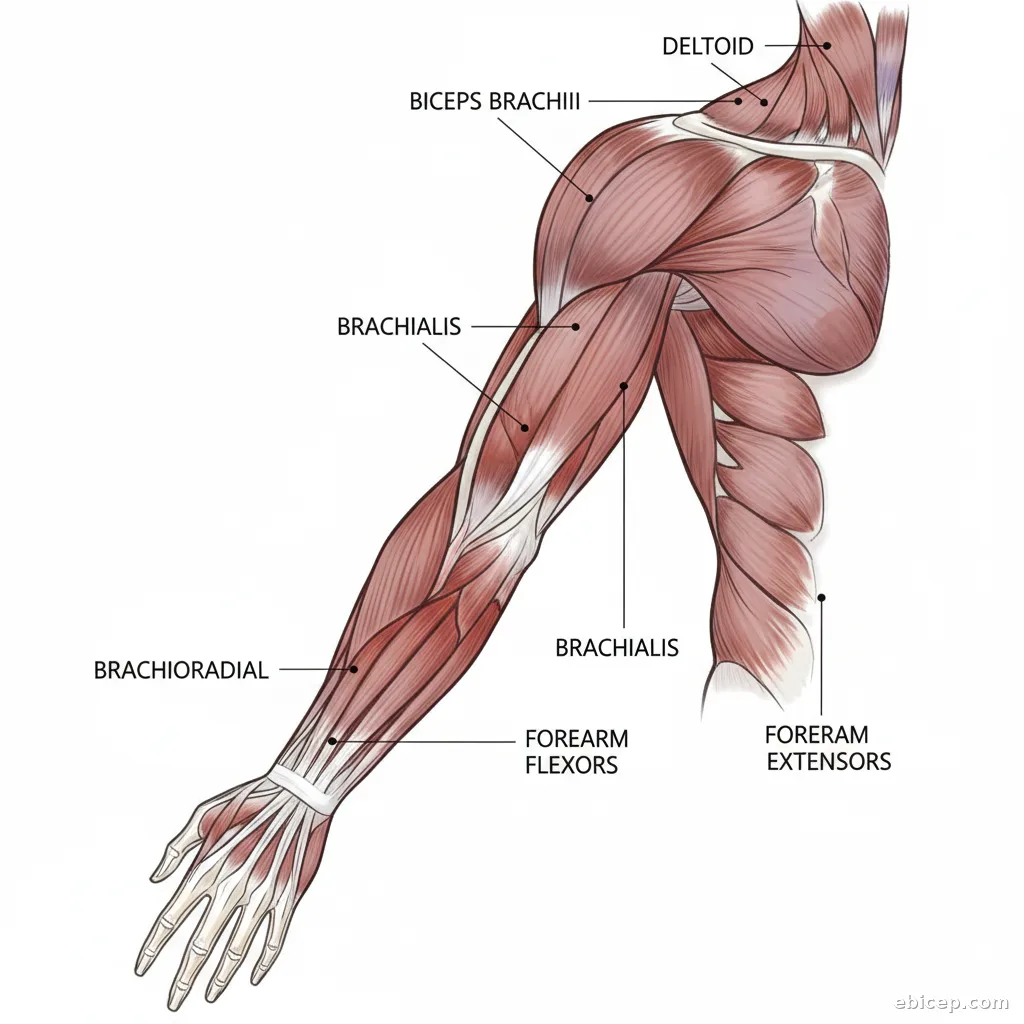
The brachioradialis is the large muscle on the thumb side of your forearm, near your elbow. It's what gives forearms that powerful, developed look.
With regular supinated curls, the biceps does most of the work. But with a pronated grip, the brachioradialis becomes a primary mover. There's no better exercise for building this muscle.
Benefit #2: Brachialis Activation
The brachialis, the muscle under your biceps, works regardless of grip position. But with the biceps at a mechanical disadvantage (pronated grip), the brachialis has to work even harder.
Result: thicker arms from multiple angles.
Benefit #3: Forearm Size and Strength
Reverse curls hammer your forearm extensors (the muscles on top of your forearm) in a way that few other exercises do. These muscles:
• Stabilize your wrist during the curl
• Work to maintain the pronated grip
• Get significant time under tension
If you want bigger forearms, reverse curls should be a staple.
Benefit #4: Grip Strength
Holding a pronated grip under load challenges your grip in a unique way. This translates to:
• Better performance on deadlifts and rows
• Improved grip endurance
• Stronger wrists
Strong forearms and grip aren't just for arm wrestling—they improve nearly every upper body exercise.
Benefit #5: Elbow Health
Many lifters develop elbow pain from too much supinated (palms up) work. The reverse curl uses opposite mechanics, which can help balance the stress on your elbow joint.
Specifically, reverse curls strengthen the muscles that extend the wrist, which are often weak compared to the wrist flexors. This balance reduces injury risk.
Benefit #6: Balanced Arm Development
If all you do is bicep curls, you're only hitting part of your arm. Reverse curls complete the picture by targeting:
• Brachioradialis (forearm)
• Brachialis (under biceps)
• Forearm extensors
A well-rounded arm looks good from every angle—not just from the front when you flex.
How to Perform Reverse Curls
Setup:
• Grip the bar with palms facing down (pronated)
• Hands shoulder-width apart
• Elbows at your sides
Execution:
• Curl the bar up by flexing at the elbows
• Keep wrists straight (don't let them bend)
• Squeeze at the top
• Lower slowly and with control
Tips:
• Use lighter weight than regular curls (expect to use 50-60%)
• Keep the movement strict—no swinging
• Full range of motion matters
Programming Reverse Curls
When: Include 1-2 times per week, either on arm day or with back training.
Sets/reps: 3-4 sets of 10-15 reps. Higher reps work well since the muscles involved respond to endurance work.
In your routine:
• Do after regular bicep curls
• Pair with hammer curls for complete arm development
• Consider supersetting with wrist curls for total forearm work
Reverse Curl Variations
EZ bar reverse curls: Easiest on wrists, most common version
Straight bar reverse curls: Harder on wrists but maximizes pronation
Dumbbell reverse curls: Each arm works independently
Cable reverse curls: Constant tension throughout
Preacher reverse curls: Removes momentum, isolates the muscles
Final Thoughts
The reverse curl won't build a bicep peak or make your arms look huge when you flex. But it will build forearms that command respect, improve your grip strength, balance your arm development, and protect your elbows.
It's not glamorous, but it works. Add it to your routine.