This is one of the most common questions in arm training, and the answer isn't "one is better than the other." Hammer curls and standard bicep curls target different muscles with different grip positions, and both belong in a complete arm program.
But understanding exactly how they differ — and when to prioritize one over the other — can make a real difference in your arm development.
The Fundamental Difference: Grip and Muscle Emphasis
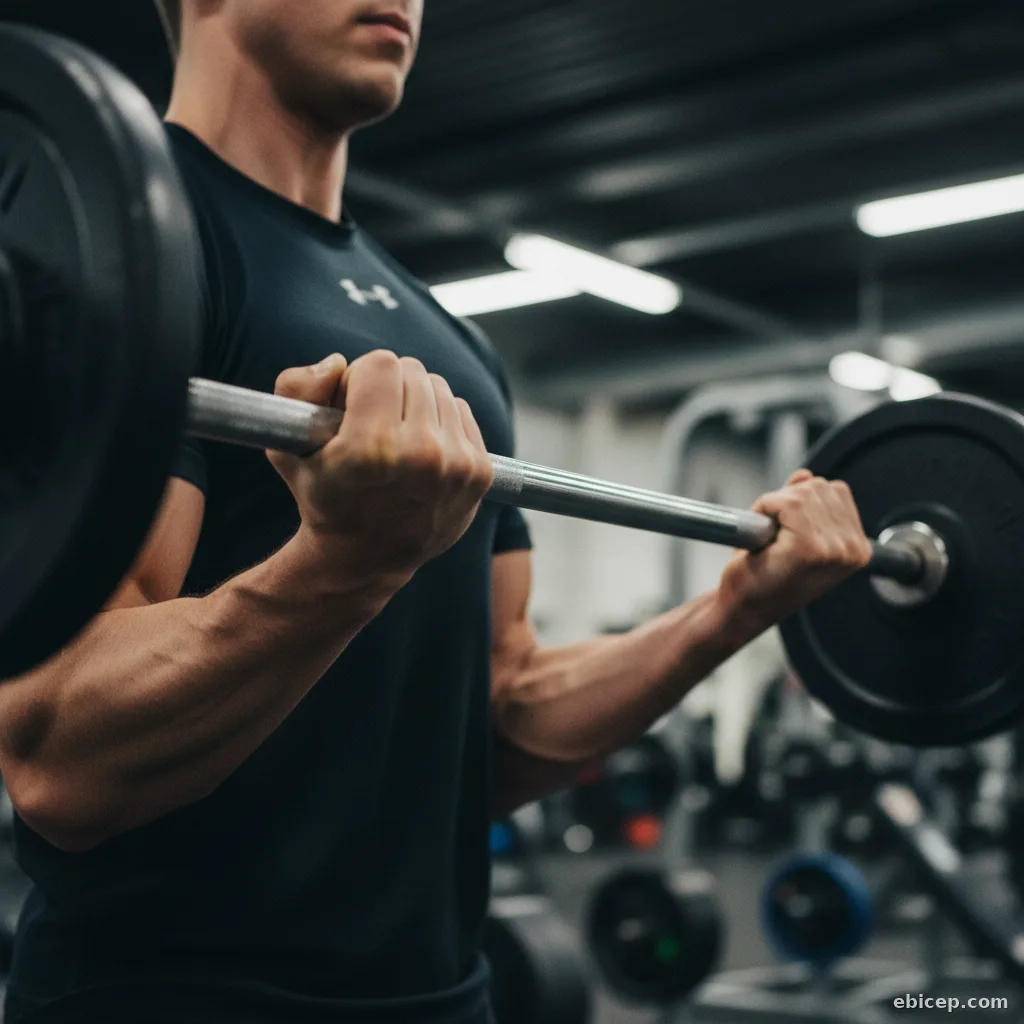
Standard bicep curls use a supinated grip (palms up). This position maximizes recruitment of the biceps brachii — both the long head and short head. The biceps brachii is the muscle that creates the classic "peak" when you flex and contributes most to the front profile of your arm.
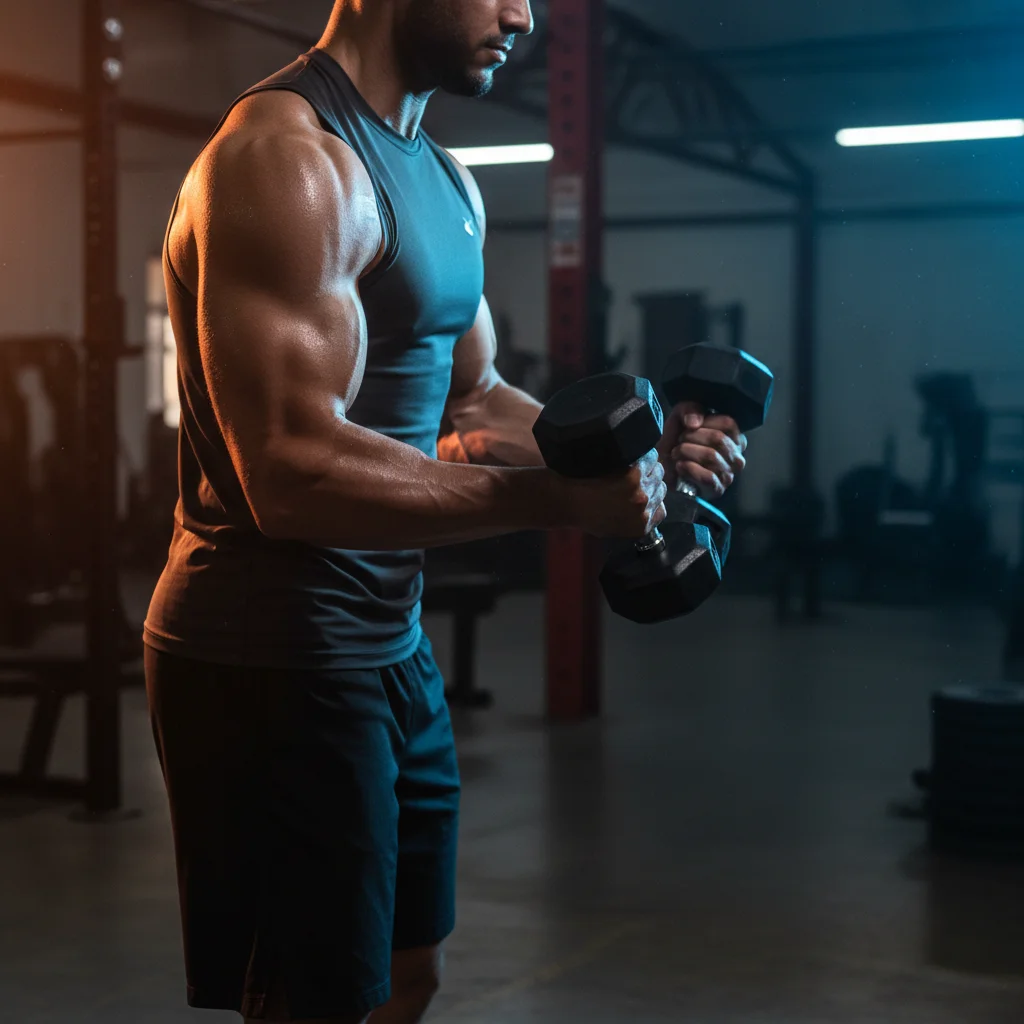
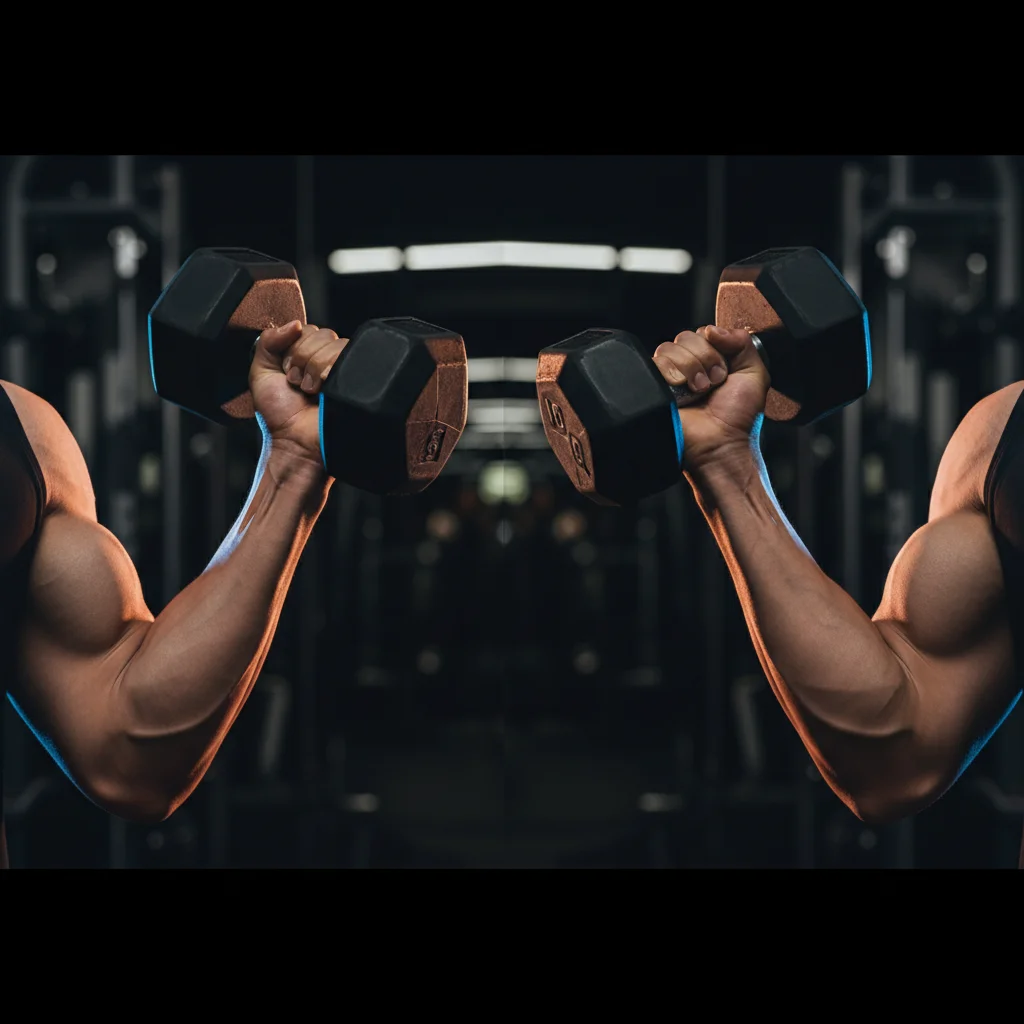
Hammer curls use a neutral grip (palms facing each other). This shifts work away from the biceps brachii and toward the brachialis (underneath the bicep) and brachioradialis (the thick forearm muscle near the elbow). The biceps still works, but it shares the load.
In simple terms: bicep curls build the peak, hammer curls build the thickness. Arms that look impressive from every angle need both.
Muscles Worked: Side by Side
Bicep curls primarily target: Biceps brachii (long head and short head), with secondary involvement of the brachialis and forearm flexors. The supinated position places the biceps in its strongest mechanical position for elbow flexion and supination.
Hammer curls primarily target: Brachialis and brachioradialis, with secondary involvement of the biceps brachii (primarily the long head). The neutral grip reduces the biceps brachii's mechanical advantage, forcing the brachialis and forearm to handle more of the load.
The brachialis is particularly important because it sits under the biceps and, when developed, pushes the bicep up from below — making the entire upper arm look larger. Many people with underdeveloped arms are actually just missing brachialis work.
Strength Comparison
Most people can hammer curl about the same weight or slightly more than they standard curl. This surprises people, but it makes sense: the brachialis is a powerful elbow flexor, and with the neutral grip, it contributes more force to the movement.
Don't use this as permission to ego-lift on hammer curls. The fact that you can move more weight doesn't mean you should — strict form produces better results on both exercises.
When to Prioritize Bicep Curls
If your primary goal is a visible bicep peak — that high, round contraction when you flex — supinated curls should be your priority. Exercises like barbell curls, incline dumbbell curls, and concentration curls all use the supinated grip to maximize biceps brachii recruitment.
Bicep curls are also the better choice when you want to train the supination function of the biceps — which is the ability to rotate your forearm from palm-down to palm-up. This function is unique to the biceps brachii and isn't trained during hammer curls at all.
When to Prioritize Hammer Curls
If your forearms are a weak point, your arms look flat from the side, or your grip gives out before your back does on pulling exercises, hammer curls should get more attention. The brachioradialis development they provide also improves the visual transition between your upper arm and forearm.
Hammer curls are also the better choice if you have wrist pain during supinated curls. The neutral grip is the most wrist-friendly curl position, placing minimal rotational stress on the forearm bones.
The Best Approach: Do Both
There's no reason to choose one permanently over the other. A well-rounded arm workout includes both grips. Here's a simple framework:
Option 1 — Same workout: Start with supinated curls (barbell or dumbbell) for 3 sets, then do hammer curls for 3 sets. This ensures both the biceps brachii and the brachialis/brachioradialis get direct work in every session.
Option 2 — Alternating sessions: If you train arms twice per week, do supinated curls on day one and hammer curls on day two. Each session emphasizes different muscles while still training the elbow flexors as a whole.
Option 3 — Use Zottman curls to combine both in one exercise. You curl up with a supinated grip and lower with a pronated grip, hitting biceps and forearms in a single movement.
What We Recommend
Yes4All Tricep Rope Cable Attachment
A single cable handle works for Bayesian curls, but a rope attachment adds the option for bilateral cable curls in the same workout.
The Bottom Line
Hammer curls and bicep curls aren't competitors — they're teammates. Supinated curls build the bicep peak that looks impressive in a flex. Hammer curls build the arm thickness and forearm size that looks impressive all the time. Train both consistently, and you'll build arms that look complete from every angle.