Most curl bar buying guides rank ten bars by spec sheets — tensile strength, sleeve length, knurling depth — and declare a winner based on numbers that 95% of lifters will never notice. That's not how people actually choose equipment.
Here's how it really works: you buy a curl bar, you curl with it, and within a week you either forget it exists (good sign) or you hate something about it — the grip angle bothers your wrists, the knurling tears up your palms, the sleeves don't spin, or the whole thing flexes when you load more than two plates. The best curl bar is the one you never think about because it just works.
This guide skips the spec-sheet tournament and focuses on what actually matters when choosing a curl bar for your home gym or garage setup.
What Is a Curl Bar?
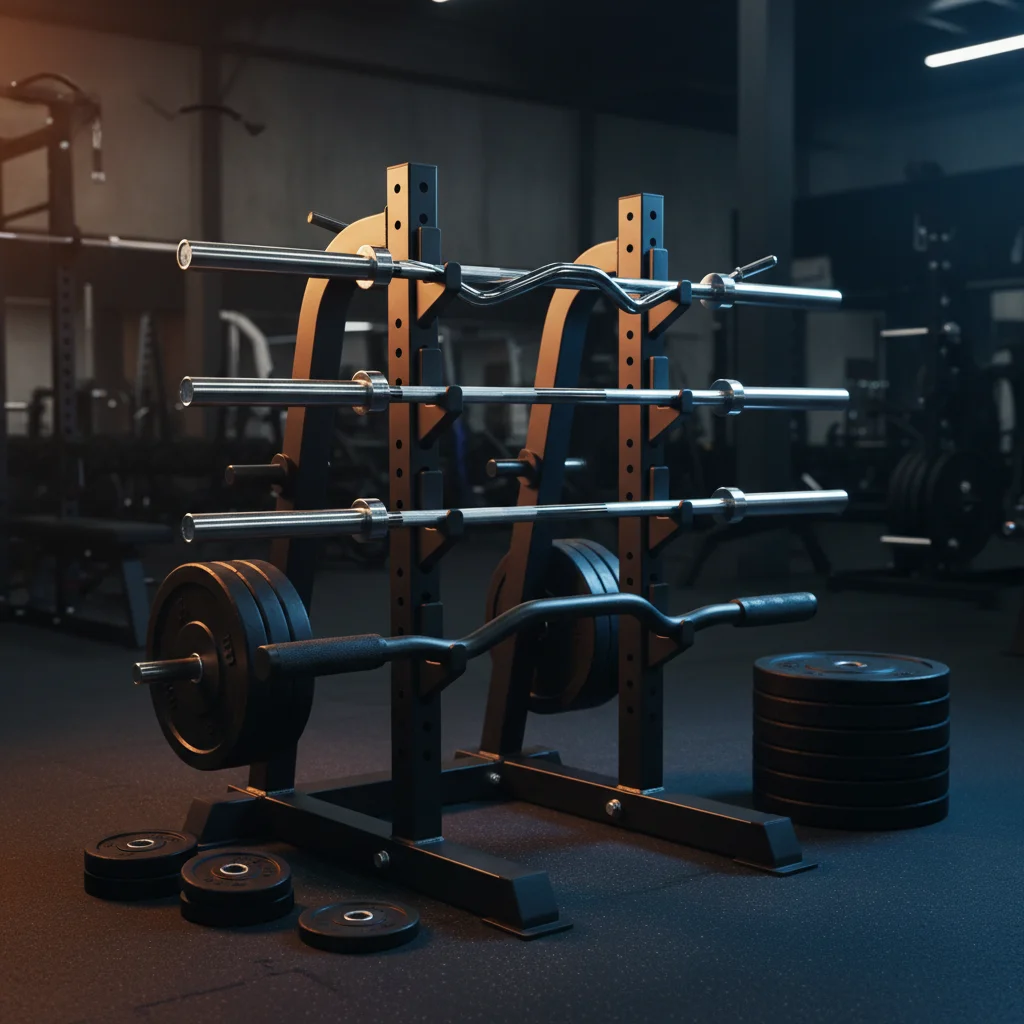
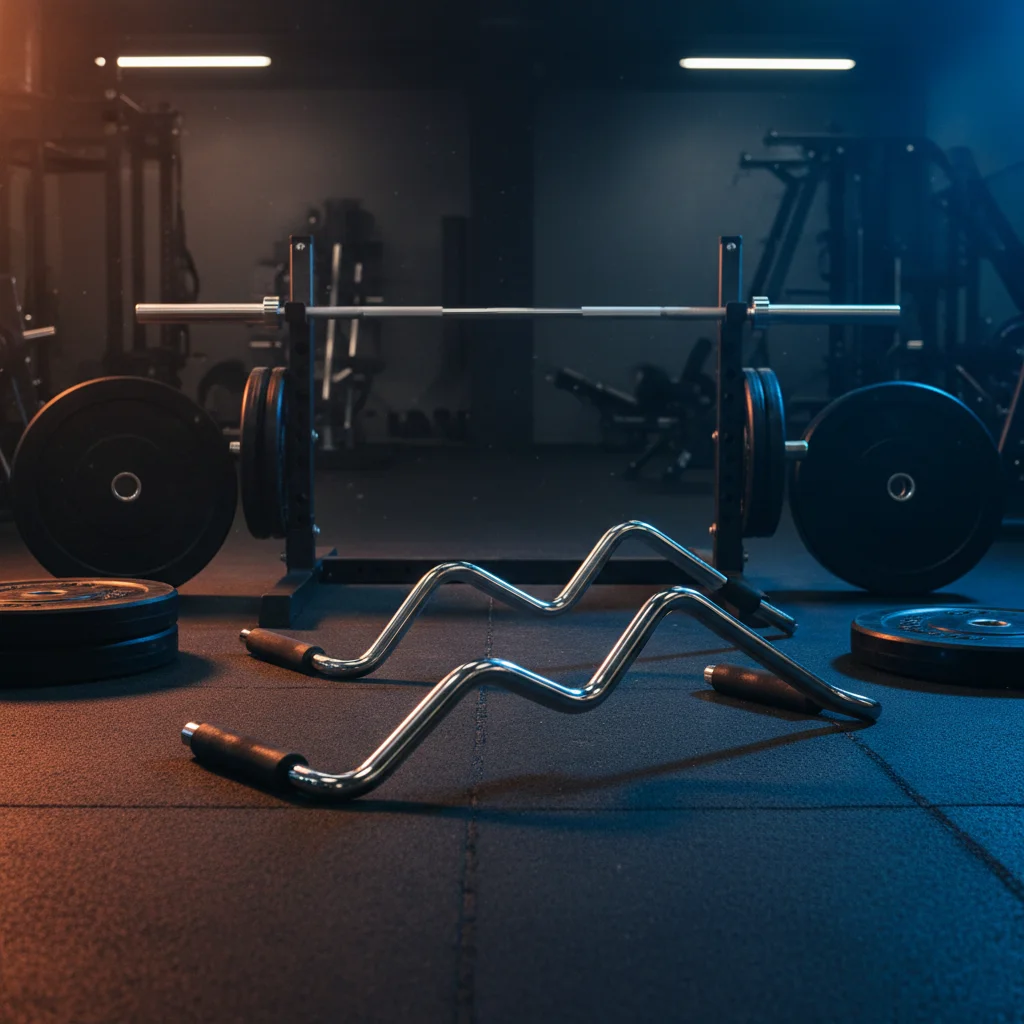
A curl bar is a shorter, lighter barbell designed specifically for arm exercises — primarily bicep curls, tricep extensions, skull crushers, and reverse curls. For most lifters, you're choosing between two bars, and the difference matters more than people think.
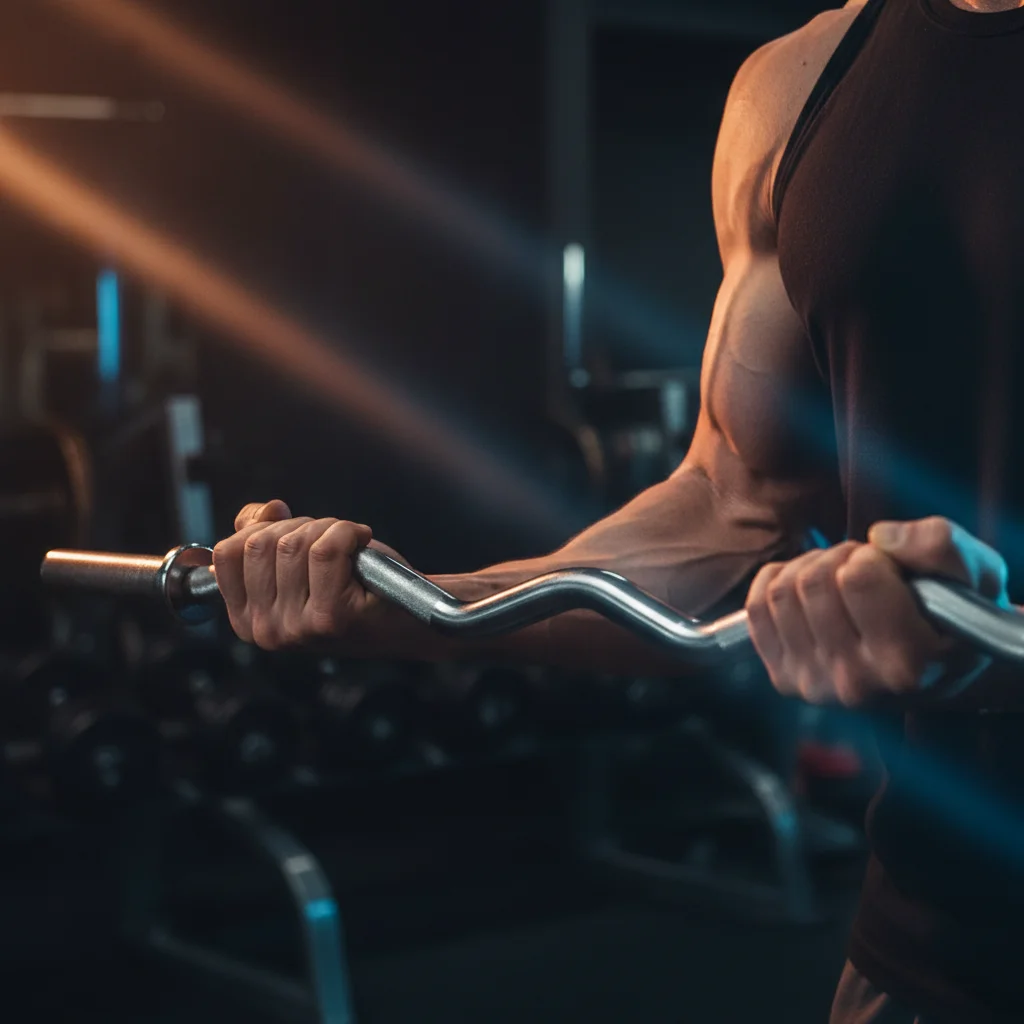
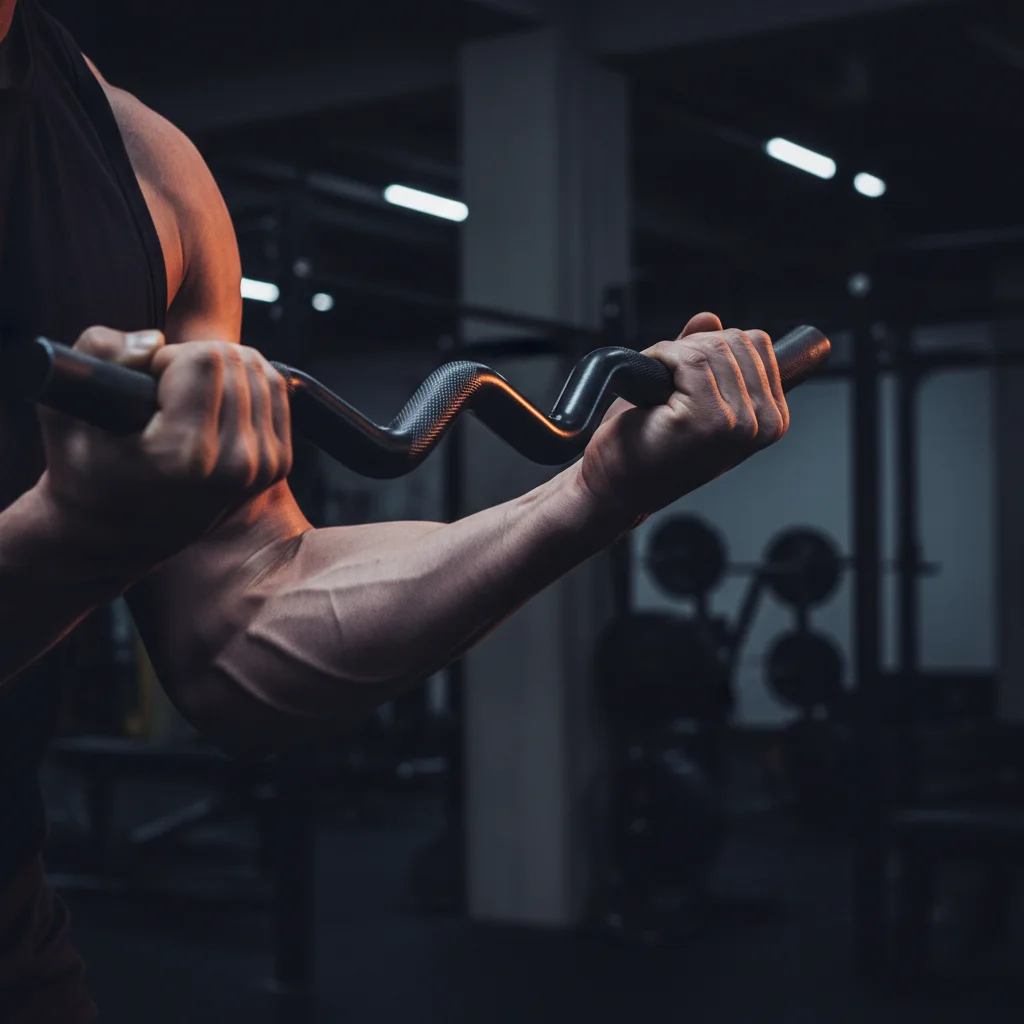
**EZ curl bar.** The signature W-shaped bends in the grip section let you hold the bar in a semi-supinated position. This reduces wrist strain compared to a straight bar while still targeting the biceps effectively. The vast majority of curl bars sold are EZ bars, and for good reason — they're the more versatile and comfortable option for most lifters.
**Straight curl bar.** A shorter version of a standard barbell with no bends. Forces full supination (palms completely up), which maximizes biceps brachii activation but increases wrist stress. Some lifters prefer the feel; others find it uncomfortable over time. If you've used a straight bar for years with no issues, great. If you're buying your first curl bar, start with an EZ.
**Super curl bar.** A variation with deeper angled grips than a standard EZ bar. Provides even more wrist relief and is particularly useful for lifters with existing wrist or forearm issues. Less common, but worth considering if standard EZ bars still bother you.
What to Look for in the Best Curl Bar
1. Olympic vs Standard Sizing
This is the first decision, and it's non-negotiable — get it wrong and your plates won't fit.
**Olympic curl bars** have 2-inch diameter sleeves and fit Olympic weight plates (the kind with a 2-inch center hole). These are what commercial gyms use and what most home gym owners should buy. If you own Olympic plates, you need an Olympic curl bar.
**Standard curl bars** have 1-inch diameter sleeves and fit standard weight plates (1-inch center hole). These are cheaper but less common in serious home gyms. If all your plates are standard sized, a standard curl bar makes sense. Otherwise, go Olympic.
**Here's the real-world answer:** If you're building a home gym from scratch or adding to an existing Olympic setup, buy an Olympic EZ curl bar. The compatibility with your other equipment matters more than saving twenty bucks on a standard bar.
2. Bar Weight
Most Olympic EZ curl bars weigh between 15-25 pounds. Standard EZ bars are lighter — usually 10-15 pounds. Knowing your bar weight matters for tracking progress accurately.
The most common Olympic EZ bar weight is around 18-20 pounds. Some premium bars (like the Rogue curl bar) weigh closer to 25 pounds. Budget bars often don't list their exact weight, which is annoying — you end up guessing every time you calculate your total curl weight.
3. Knurling
Knurling is the crosshatch pattern etched into the grip sections. It's what keeps the bar from slipping out of sweaty hands.
**Aggressive knurling** bites into your palms and provides excellent grip — but it can tear calluses and become uncomfortable during high-rep sets. Powerlifting bars have aggressive knurling. For curls, it's usually more than you need.
**Medium knurling** is the sweet spot for most curl bars. Enough grip for secure handling, not enough to shred your skin during a 15-rep set of concentration curls.
**No knurling or smooth grips** — some budget bars have rubber grips instead of knurling. These are fine for light work but get slippery with chalk or sweat. Not ideal for serious training.
4. Sleeve Rotation
The sleeves are the ends of the bar where weight plates load. On better bars, the sleeves rotate freely on bushings or bearings. On cheap bars, they don't rotate at all.
**Why it matters:** When you curl, your forearms naturally want to rotate slightly. If the sleeves don't spin, that rotational force transfers to your wrists and forearms — creating strain that accumulates over months of training. Rotating sleeves let the plates stay stationary while the bar moves naturally in your hands.
**Bushing sleeves** are the standard on mid-range curl bars. They rotate smoothly and last for years under normal use.
**Bearing sleeves** spin more freely and are found on premium bars. Overkill for curling, but they feel noticeably smoother.
**Non-rotating sleeves** are found on the cheapest bars. They work, but your wrists will feel the difference during heavy or high-volume curl sessions.
5. Weight Capacity and Build Quality
Most quality Olympic EZ curl bars have a weight capacity between 200-400 pounds. For curling purposes, this is more than enough — very few people curl more than 150 pounds on an EZ bar.
What matters more than the capacity number is the steel quality. Bars with higher tensile strength (measured in PSI) resist bending and warping over time. Anything above 130,000 PSI is solid for a curl bar. Budget bars at 50,000 PSI will eventually develop a permanent bend if loaded near their limit.
**Finish matters too.** Chrome resists rust better than bare steel. Black oxide looks great but requires maintenance. Stainless steel is the gold standard for corrosion resistance but costs significantly more. Cerakote finishes are durable and grippy but expensive. For a home gym curl bar, chrome or black oxide is the practical choice.
Coach's Note: Don't overthink this purchase. A $50 CAP curl bar will build the same biceps as a $300 Rogue curl bar. The expensive bar will feel nicer, last longer, and spin smoother — but the muscle doesn't know what brand you're holding. Buy the best bar your budget allows, then focus your energy on actually using it consistently.
EZ Curl Bar vs Straight Bar: Which Should You Buy?
If you're only buying one curl bar, buy an EZ.
The EZ curl bar handles everything a straight bar does — bicep curls, skull crushers, reverse curls, close-grip presses — while being significantly more comfortable on the wrists. The slight reduction in peak biceps activation compared to a straight bar (which forces full supination) is so small that it's irrelevant for anyone who isn't competing in bodybuilding at an elite level.
The straight curl bar has one advantage: maximum supination under load, which slightly increases biceps brachii activation. If you already own an EZ bar and want a second curl bar for variety, a straight bar makes sense. As your only curl bar? The EZ is the smarter choice for 99% of lifters.
For a deeper comparison of how grip angle affects muscle activation, see our EZ bar curls muscles worked breakdown.
What We Recommend
CAP Barbell Olympic EZ Curl Bar (Black)
Does the job without drama. Solid steel construction, decent knurling that won't tear your hands, and sleeves that actually rotate. For the price, it's the bar that makes the least sense to upgrade from — because there's nothing wrong with it. Most home gym lifters will use this bar for years and never feel the need to buy anything else.
CAP Barbell Olympic EZ Curl Bar (Chrome with Rubber Grips)
Same reliable bar with added rubber grip sections and a chrome finish that resists rust better than the black version. The rubber grips are a genuine improvement if your hands sweat heavily — they maintain traction when knurling alone starts to slip. Rotating sleeves with bushings reduce wrist pressure during high-rep sets.
CAP Barbell Olympic Super Curl Bar
If standard EZ bar angles still bother your wrists, the super curl version has a deeper angled grip that provides significantly more wrist relief. Same CAP build quality. Great for lifters with wrist issues who've given up on straight bars entirely. Also excellent for skull crushers and preacher curls where wrist comfort matters most.
How to Choose the Best Curl Bar for You
**Buying your first curl bar?** Get an Olympic EZ curl bar. Don't overthink brand or specs. The CAP Olympic EZ bar is our go-to recommendation because it's affordable, compatible with standard Olympic plates, and durable enough for years of home gym use.
**Wrists hurt during curls?** Try a super curl bar with deeper grip angles before giving up on bar curls entirely. The deeper angle makes a real difference for lifters who've been told they "can't do barbell curls" — often the bar was the problem, not the exercise.
**Building a high-end home gym?** Look at the Rogue Curl Bar or the REP Fitness Rackable Curl Bar. These are premium bars with stainless steel construction, aggressive knurling, and precision bearing sleeves. They feel noticeably better than budget bars — but they also cost 4-6x more. Whether that's "worth it" depends entirely on your budget and how much you value the tactile experience of curling.
**Already own a curl bar and want variety?** Add a different type. If you have an EZ bar, add a straight bar or a hammer curl bar for neutral-grip work. If you have a straight bar, add an EZ bar for wrist relief. Different bars aren't just about variety — different grip angles target different muscles.
Best Curl Bar Exercises to Try With Your New Bar
Once you've got a curl bar at home, these exercises cover every arm angle:
**Standing EZ bar curl** — the foundation. 3 sets x 8-10 reps.
**Reverse EZ bar curl** — flip the grip for brachioradialis and forearms. 3 sets x 12-15 reps.
**Skull crushers** — lie on a bench, lower the bar to your forehead, extend. The best tricep exercise you can do with a curl bar. 3 sets x 10-12 reps.
**EZ bar preacher curl** — if you have an adjustable bench, drape your arms over the backrest. 3 sets x 10-12 reps.
**Close-grip EZ bar press** — like a bench press with narrow grip on the inner angles. Hits triceps and inner chest. 3 sets x 8-10 reps.
A single EZ curl bar handles all five of these exercises. That's a complete arm workout from one piece of equipment.
Frequently Asked Questions
What is the best curl bar to buy?
For most home gym owners, an Olympic EZ curl bar in the $40-80 range is the best value. It handles every curl variation, works with standard Olympic plates, and lasts for years. The CAP Barbell Olympic EZ Curl Bar is our top pick for the balance of quality and price.
Is a curl bar worth it?
Yes — if you do any barbell curl work at home. An EZ curl bar is more comfortable than a full-size Olympic barbell for curls (lighter, shorter, angled grips), and it handles skull crushers and reverse curls too. For the price of a month of gym membership, you get a piece of equipment that lasts a decade.
What is the weight of a curl bar?
Most Olympic EZ curl bars weigh 15-25 pounds. Standard EZ bars weigh 10-15 pounds. The exact weight varies by brand — check the product specs before buying so you can track your curl weight accurately.
Is an EZ bar better than a straight bar for curls?
For most lifters, yes. The EZ bar reduces wrist strain while providing nearly identical bicep activation. The straight bar forces full supination, which marginally increases biceps brachii activation but at the cost of wrist comfort. Unless you have a specific reason to prefer straight bar curls, the EZ bar is the more practical and sustainable choice.
Can I use a curl bar for other exercises?
Absolutely. A curl bar handles skull crushers, close-grip bench press, upright rows, overhead tricep extensions, and reverse curls — not just bicep curls. It's one of the most versatile pieces of equipment a home gym can have for upper body training.
The Bottom Line
The best curl bar is an Olympic EZ curl bar that fits your plates, doesn't hurt your wrists, and costs what you're comfortable spending. Everything beyond that — stainless steel, cerakote finishes, precision bearings — is nice to have but not necessary for building bigger arms. Buy a solid bar, load it progressively, curl it consistently, and your biceps will grow regardless of whether the bar cost $45 or $300. The steel doesn't know the difference. Neither do your muscles.